Body To Scalp Hair Transplants
at maxim hair restoration
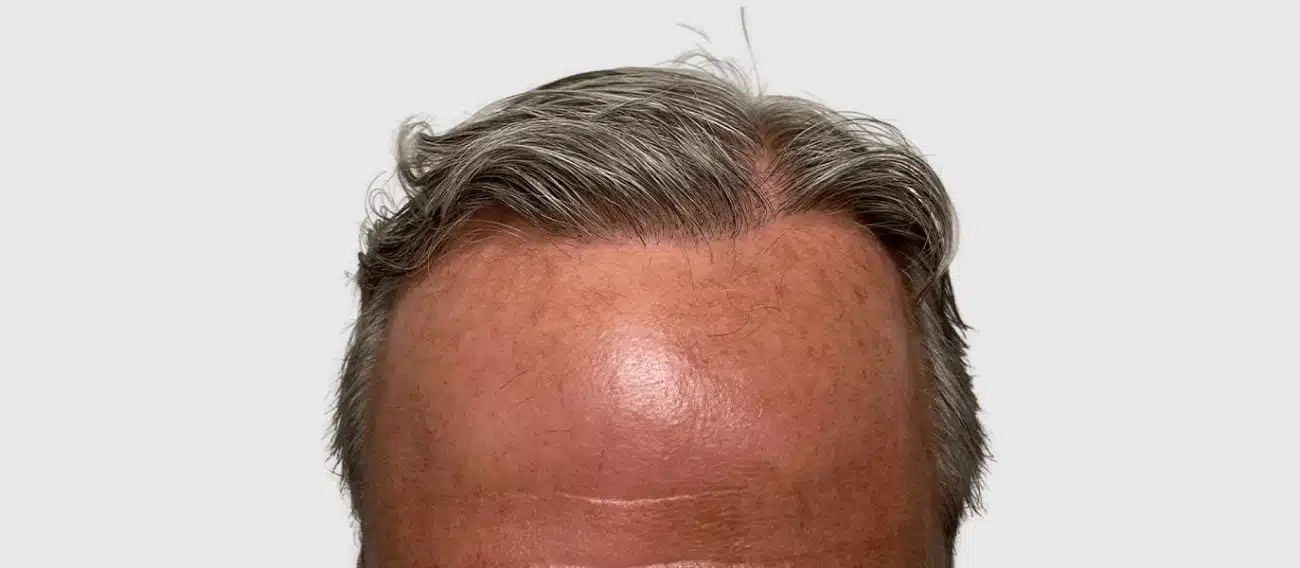
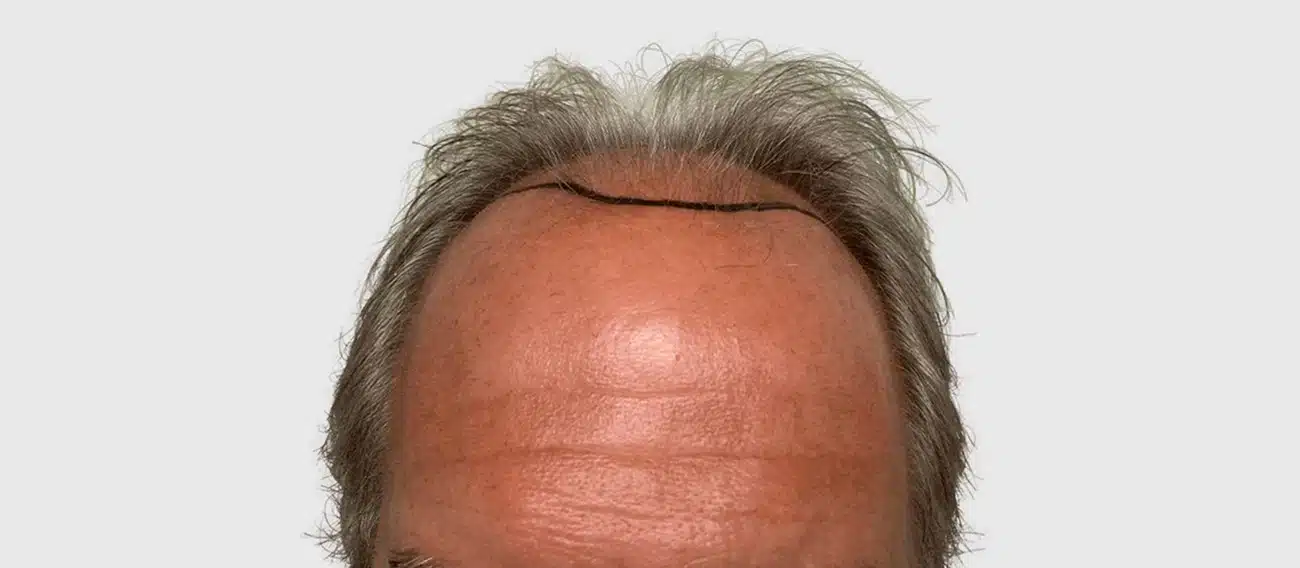
What Is a Body To Scalp Hair Transplant?
Body to scalp hair transplants are a powerful option for people who have advanced hair loss, limited scalp donor hair, or previous transplants that did not provide enough coverage. Instead of relying only on the back and sides of the scalp, this technique uses follicular unit extraction (FUE) to harvest grafts from areas such as the chest, beard, abdomen, back, or thighs and then implants them into thinning or bald regions on the head. For the right candidate, this approach can dramatically increase the total number of usable grafts and make a full, natural-looking restoration possible, even when traditional donor reserves are not enough.
Read More
Types of Body To Scalp Hair Transplants
Not every body to scalp procedure looks the same. At maxim hair restoration, we customize the approach based on your donor availability, hair characteristics, and goals:
Why Choose maxim for Body To Scalp Hair Transplants
Body to scalp hair transplantation is one of the most technically demanding forms of FUE. It requires not only expertise in harvesting but also time management, anesthesia safety, graft handling, and aesthetic planning. Here is why many patients choose maxim for this advanced procedure:
Our doctors and clinicians have extensive experience with complex FUE cases, including patients with advanced hair loss or limited donor reserves. Your case is evaluated and overseen by professionals who understand the nuances of multi-donor harvesting and blending.
Every treatment plan is individualized. We consider your hair type, skin tone, loss pattern, lifestyle, and expectations to design a realistic strategy that matches your goals, rather than forcing a “one-size-fits-all” approach.
Our Gallery
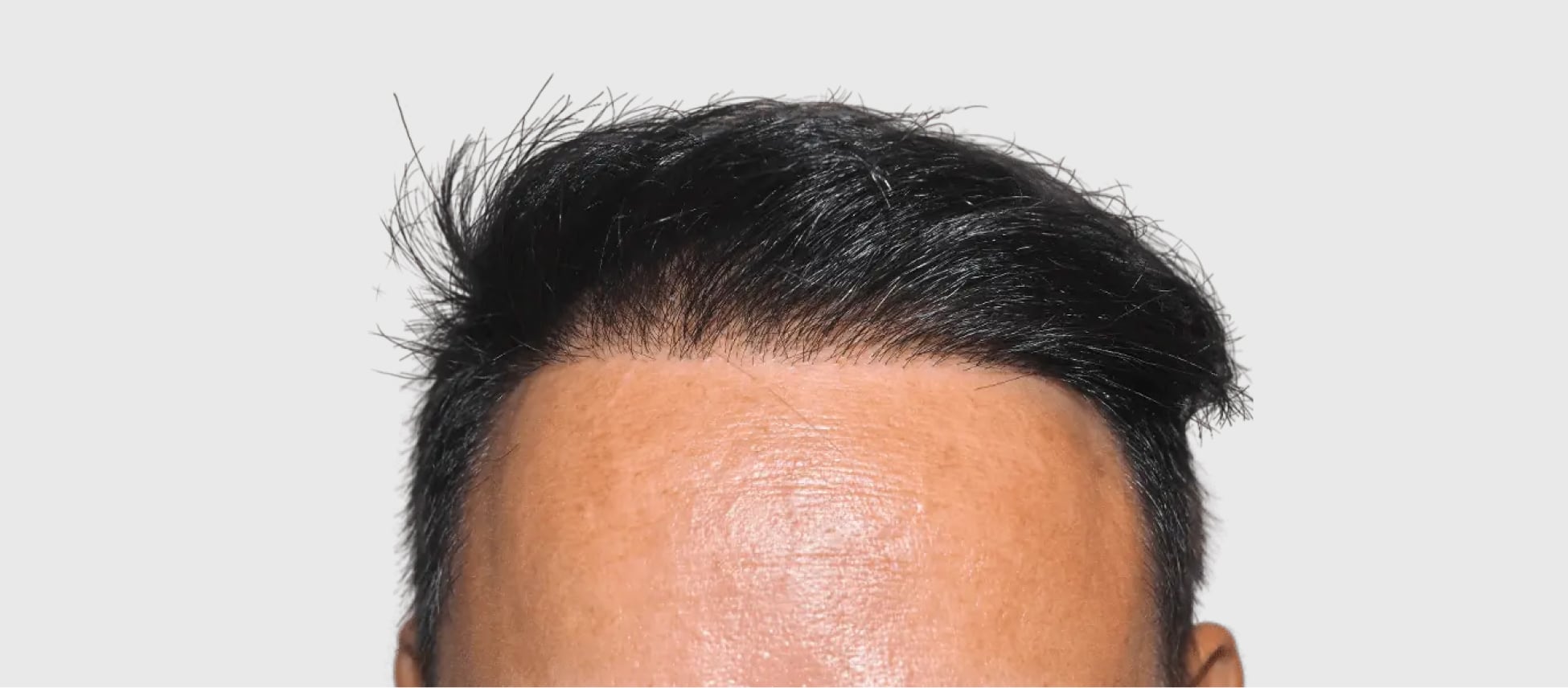
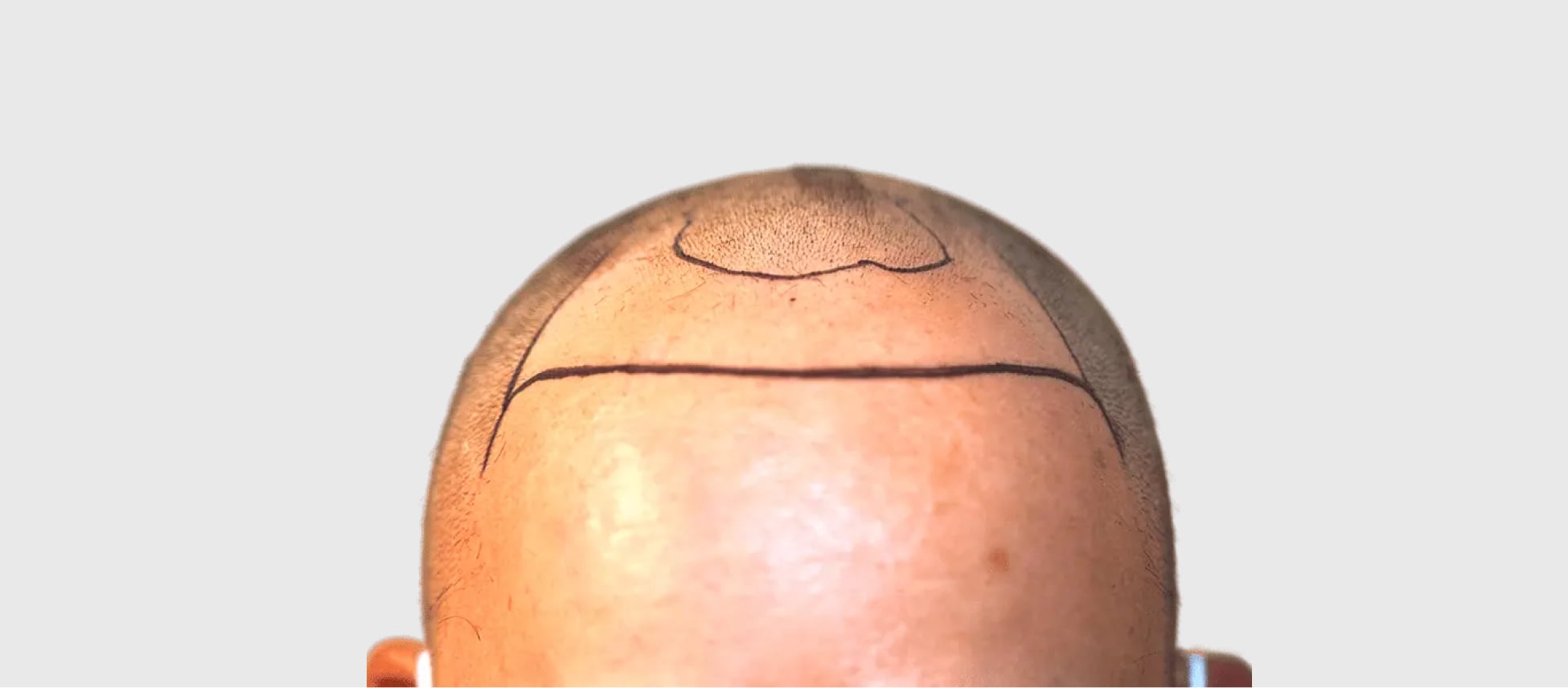
Proven outcomes backed by experience and expertise
Advantages of Body To Scalp Hair Transplants

Access to a Larger Donor Pool
For individuals with severe thinning or prior surgeries, relying only on scalp donor hair may not yield enough grafts. Read More

Better Options for “Non-Candidates”
Many patients are told elsewhere that they cannot have a transplant because they lack sufficient donor Read More

No Linear Scar
Because this procedure uses FUE, there are no long strip scars. Instead, tiny dot scars are spread across donor Read More

Potential for Single-Session Transformations
In the right candidate, body to scalp FUE can deliver large graft counts in a single carefully planned session, Read More

Enhanced Density Over Previous Work
If you’ve already had one or more transplants but still feel thin in certain areas, body hair can serve Read More
Body To Scalp Hair Transplant Technologies

WAW FUE and Hybrid Punch Systems
We often utilize devices like hybrid punches that are specifically designed to navigate the angles and Read More

Precision Motorized Extraction
Motorized systems with adjustable torque and oscillation settings allow clinicians to fine-tune depth and Read More

Chilled and Hydrated Graft Storage
Because body to scalp sessions can be long and grafts are taken from multiple sources, we store Read More

High-Magnification Graft Inspection
Each graft is examined and prepared under magnification so that hair groups are counted correctly and Read More
Contact us
Our Specialized Body To Scalp Hair Transplants Doctors & Clinicians
Body to scalp hair transplantation is not a beginner procedure.
At maxim hair restoration, these advanced cases are handled by doctors and clinicians who have extensive training in FUE, multi-donor harvesting, anesthesia management, and complex case planning.
Read More
Preparing for Your Body To Scalp Hair Transplants Journey
A smooth experience starts with good preparation. We guide you through each step so you know exactly what to expect.

Consultation and Candidacy
Your journey begins with an in-depth consultation, where your scalp, beard, and Read More

Medication & Lifestyle Adjustments
You may be instructed to avoid blood-thinning medications such as aspirin and Read More

Hygiene & Skin Preparation
Because body donor zones can harbor more bacteria, you may be asked to Read More

Medical Clearance & Expectations
If you have underlying conditions, your clinician may coordinate with your primary Read More

Planning for the Procedure Day
Body to scalp sessions can be longer than a standard FUE. You should plan for an Read More
Procedure Details & Duration
A little preparation goes a long way in ensuring success

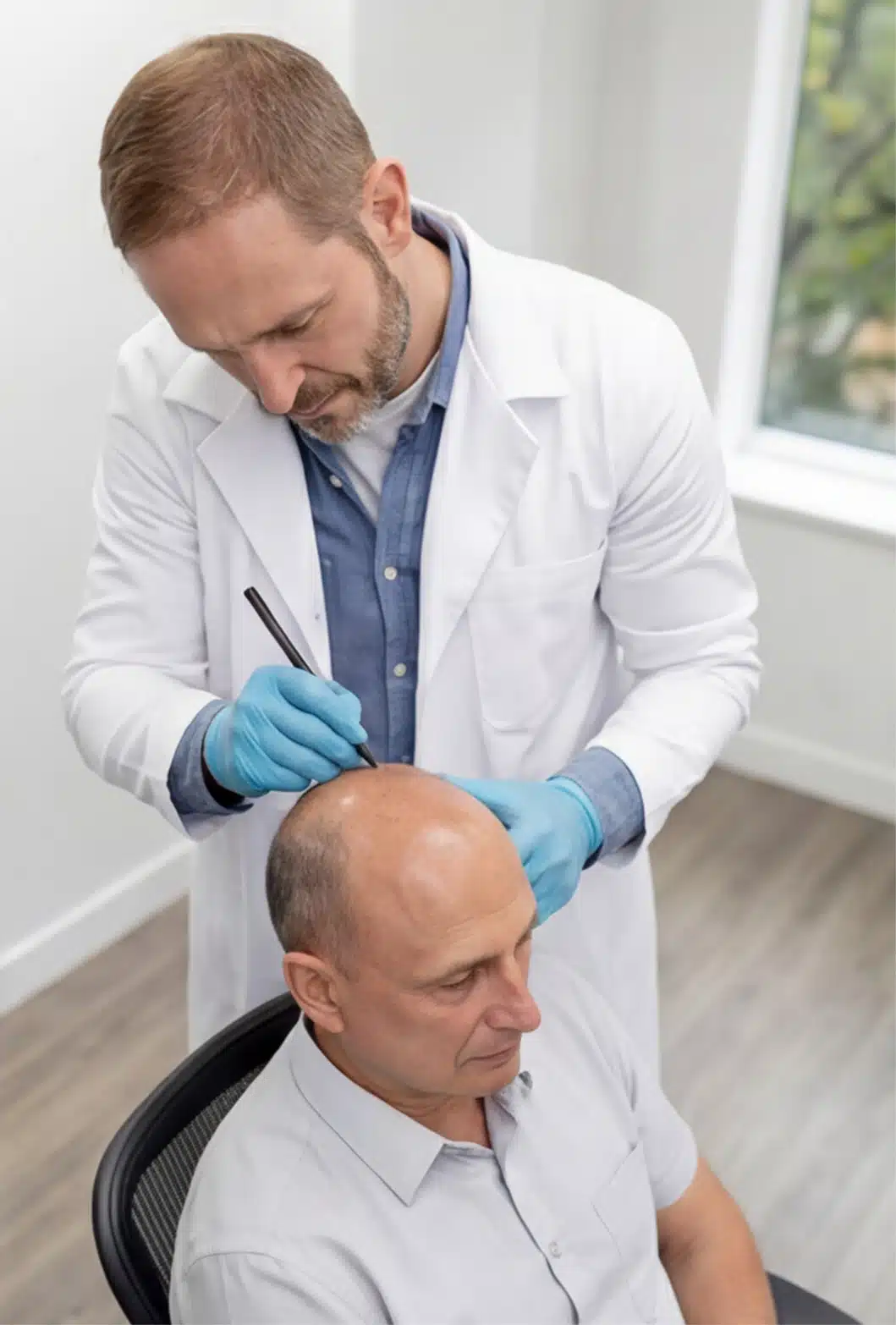
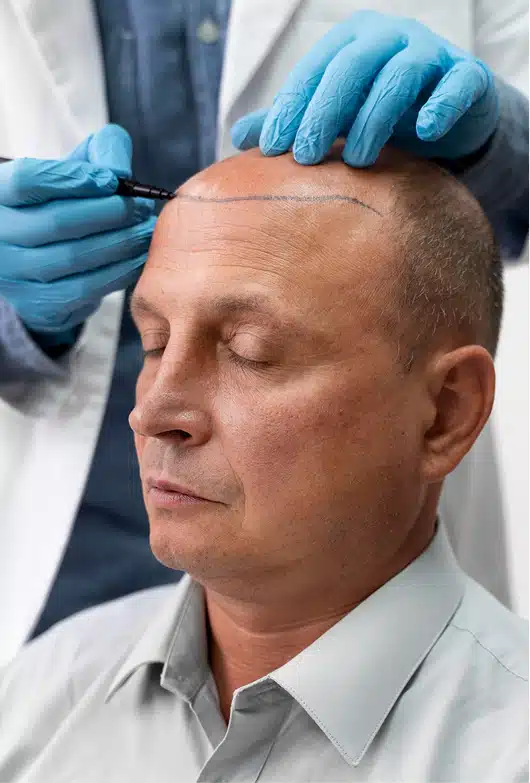
On the day of your body to scalp hair transplant, you will check in, review your plan, and have the donor and recipient areas marked. Local anesthesia is administered to the scalp and each body donor zone, using efficient techniques to keep you comfortable without overextending the total dose of medication. The procedure often begins with harvesting from the scalp (if scalp donor hair is being used), followed by beard or body areas selected during planning.

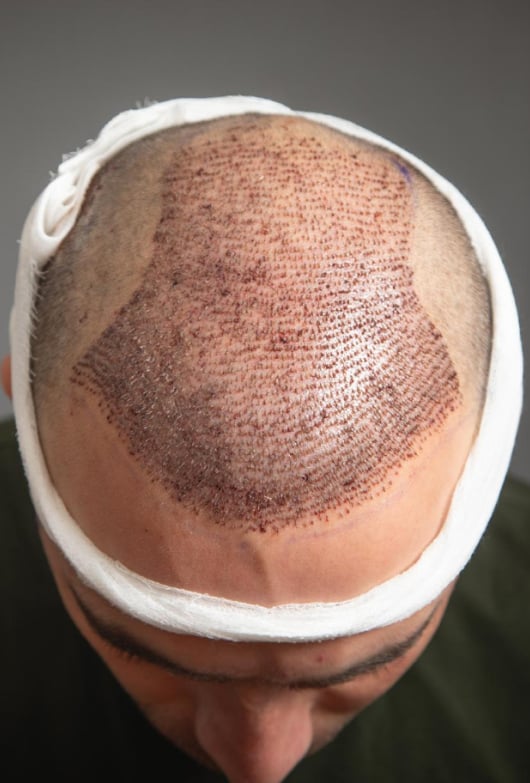
Each graft is extracted with a small circular punch, then prepared, sorted, and stored in supportive solutions while the clinician moves through each donor region. Once enough grafts have been harvested, the recipient sites on the scalp are created, and follicles from both scalp and body are strategically implanted following the natural angles and direction of your hair pattern. Depending on how many grafts are needed and how many donor sources are involved, the procedure can range from the 6–8 hour window of a standard FUE to a somewhat longer session for complex cases.
Recovery & What to Expect Next
A little preparation goes a long way in ensuring success

Immediate Post-Op Period
After the procedure, you will leave the clinic the same day with written aftercare Read More
Healing of Donor Sites
Tiny dot-sized scabs may form in beard or body donor areas, as well as on the Read More
Shedding and Early Growth
Just like standard FUE, transplanted hairs often shed in the first several weeks as Read More
Adapting Texture and Density
Over the next several months, many body hair grafts start to adapt, with changes Read More
Long-Term Maintenance
Your clinician may recommend topical or oral treatments, non-surgical therapies, Read More
Frequently Asked Questions
Helpful information to guide your hair restoration decisions.

Blogs
Insights, guides and updates from the world of hair restoration.